

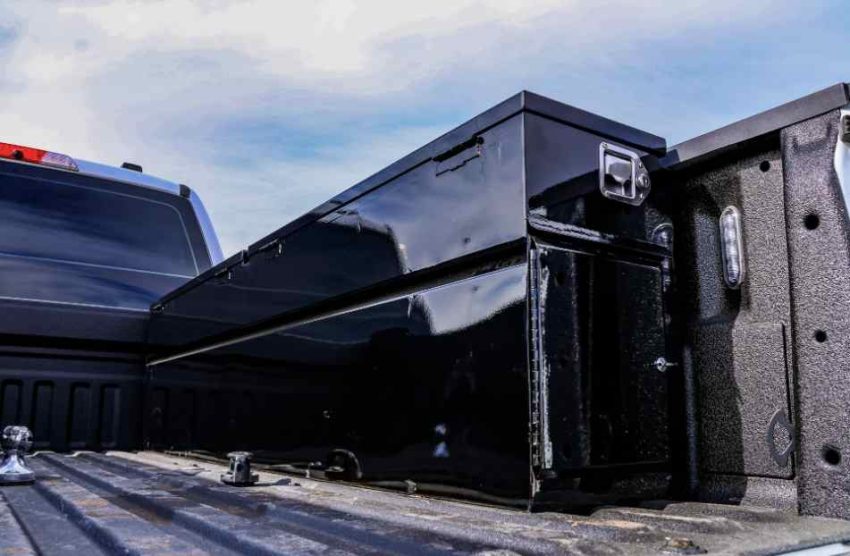
Pickup trucks are built to handle heavy loads, but organizing a mix of hand tools, recovery gear, straps, and smaller jobsite equipment inside an open bed often creates total chaos. Loose tools slide around during transit, risking damage to the gear, scarring the bed floor, or creating dangerous projectiles during sudden stops. Traditional crossover toolboxes that sit across the bed rails behind the cab offer storage, but they consume valuable bed floor length—making it difficult or impossible to haul full-size sheets of plywood, ATVs, or long construction materials.
Utilizing specialized bed-rail sideboxes solves this layout problem by elevating storage up along the inner bed perimeter without sacrificing precious bed floor length. When evaluating side-mounting clearances, heavy-duty latching mechanisms, and structural aluminum bed box designs, reviewing detailed build sheets like those for The Sidebox by FRDM Fabs provides a practical benchmark for comparing outer dimensions, mounting hardware configurations, and load-bearing specs. By selecting and installing the right sidebox system, truck owners can protect valuable tools from theft and weather while keeping the primary bed floor completely open for heavy cargo.
Step 1: Auditing Your Storage Needs and Bed Clearance
Before adding side-mounted storage containers to a pickup bed, you must assess both the physical volume of your tools and the precise dimensions of your truck bed interior.
Assessing Tool Dimensions and Access Needs
- Frequent-Access Gear: Store daily hand tools, gloves, tie-down straps, and tire pressure gauges in sideboxes where they can be reached easily over the bed rail without climbing into the truck.
- Bulk vs. Small Item Storage: Use removable dividers or internal tool bags within the sidebox to stop small sockets and fasteners from rattling against larger power tools during transport.
Measuring Bed Rail and Wheel Well Clearances
- Inner Bed Width: Measure the clearance between the inner edge of the bed rail and the top of the wheel well hump to ensure the sidebox drops down without binding against the wheel arch.
- Tonneau Cover and Rack Compatibility: Check if your truck uses a bed cover or rack system. Ensure the top flange of the sidebox does not interfere with mounting clamps or utility tracks along the top of the bed rail.
Step 2: Comparing Materials: Steel vs. Heavy-Gauge Aluminum
Sideboxes endure constant vibration, weather exposure, and impact from loose cargo inside the bed. Sourcing the right material ensures long-term durability without adding unnecessary weight.
Lightweight Aluminum Construction
Aluminum is widely favored for bed-rail sideboxes due to its high strength-to-weight ratio.
- Corrosion Resistance: Aluminum naturally forms a protective oxide layer that resists rust caused by rain, snow, and road salt exposure.
- Payload Savings: Keeps added vehicle curb weight low, preserving maximum payload and towing capacity on light- and medium-duty trucks.
Heavy-Duty Powder-Coated Steel
Steel sideboxes are engineered for extreme commercial use where high impact resistance is paramount.
- Impact Resistance: Steel resists denting and puncture if heavy equipment or loose timber shifts against the box walls during transit.
- Security: Thicker gauge steel offers higher structural resistance against pry bars and forced entry in unsecured jobsites.
Step 3: Weatherproofing and Theft Prevention Mechanisms
Outdoor tool storage is only as effective as its ability to keep out moisture and deter theft. Inspecting sealing gaskets and lock designs is a critical step prior to installation.
Weather Sealing Standards
- EPDM Rubber Gaskets: Ensure the lid or access door features continuous rubber bulb seals that compress when closed, preventing rain, mud, and dust from entering the storage cavity.
- Drip Rail Flanges: Quality sideboxes incorporate raised lip channels around the door opening to divert water away from the internal compartment during heavy downpours.
Heavy-Duty Locking Systems
- Rotary Latch Systems: Dual-stage rotary latches pull the door tight against the weather seal and lock the lid firmly at two separate contact points.
- Recessed Lock Cylinders: Choose boxes with shielded keyways or push-button locks that shield internal tumblers from road grime and make it difficult for bolt cutters or pry tools to gain leverage.
Step 4: Installation Protocols and Safe Mounting Procedures
Properly securing a sidebox to your truck bed prevents hardware loosening caused by operational vibration and road shock.
Mounting Options: No-Drill Clamps vs. Direct Bolting
- J-Bolt Bed-Rail Clamps: J-bolt mounting systems clamp around the underside of the bed rail lip, securing the box firmly without drilling permanent holes into the truck bed sheet metal.
- Direct Frame/Bed Bolting: For extreme off-road or heavy commercial use, drilling through the bed rail and securing the box with heavy-duty Grade 8 bolts and wide fender washers provides maximum pull-out strength.
Vibration Isolation and Protection
- Rubber Cushioning Strips: Place dense foam or rubber isolator strips between the metal sidebox flange and the truck bed rail to prevent metal-on-metal rubbing, paint chipping, and high-frequency rattling while driving.
Step 5: Regular Care and Storage Maintenance
Maintaining your sidebox ensures smooth mechanical operation and protects your investment over years of service.
- Clean and Lubricate Hinges: Spray silicone lubricant into keyholes, door hinges, and gas strut pivot points every few months to prevent binding and rust accumulation.
- Inspect Bed Mounting Hardware: Periodically check mounting bolts or J-clamps to verify they haven’t loosened under heavy payload weight or continuous trail vibration.
- Use Desiccant Packs: Place moisture-absorbing packs or VCI corrosion inhibitors inside the box to protect bare steel tools from atmospheric condensation during humid seasons.
Summary Checklist for Bed-Rail Sidebox Organization
- [ ] Measure Bed Clearances: Check wheel well height, inner rail width, and rack compatibility before selection.
- [ ] Select Durable Materials: Match lightweight aluminum or heavy-duty steel to your payload goals.
- [ ] Verify Weather Protection: Confirm the box includes EPDM rubber gaskets and raised water diversion channels.
- [ ] Use Secure Hardware: Mount boxes using J-clamps or Grade 8 bolts with rubber anti-vibration padding underneath.
- [ ] Maintain Moving Parts: Lubricate lock cylinders and inspect mounting tightness on a regular maintenance schedule.