

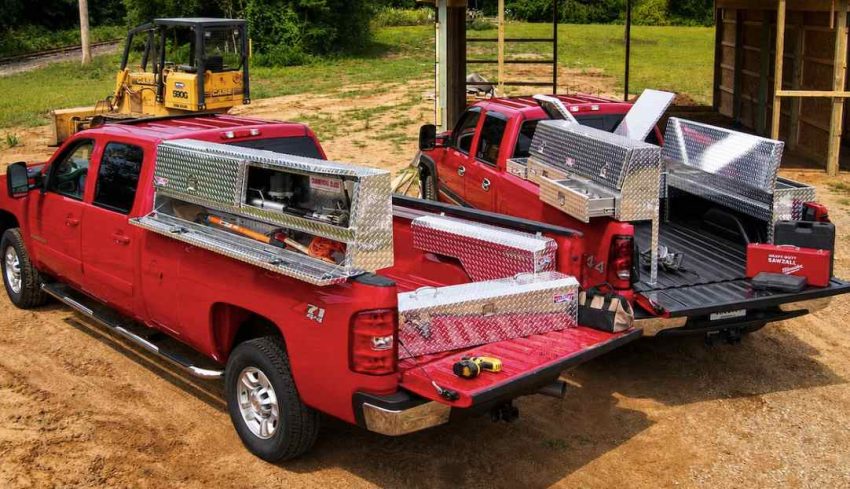
A utility truck bed turns a standard chassis into an organized, highly productive mobile workspace. Whether transporting heavy tools to construction sites or hauling agricultural supplies across rough terrain, selecting the correct bed design directly impacts job efficiency, cargo safety, and vehicle longevity.
Choosing between flatbeds, service bodies, and specialized haulers requires a realistic assessment of daily operational requirements. Technical specifications provided by Iron Ox Products demonstrate that matching bed capacity and tie-down configurations to intended payload profiles prevents premature chassis fatigue and maximizes utility on demanding job sites. Taking time to evaluate layout, towing ratings, and material construction prevents costly equipment swaps later.
1. Primary Utility Bed Configurations Explained
Different trades require specific bed structures to handle their unique tools and material loads effectively.
Flatbeds and Platform Beds
Flatbeds feature an open, flat deck without fixed side walls. They are ideal for hauling oversized materials, pallets, and large equipment that require loading from the side with a forklift.
- Best For: Construction suppliers, agricultural operations, and equipment haulers.
- Key Feature: Unobstructed deck space with perimeter stake pockets for custom sides.
Service and Utility Bodies
Service bodies feature integrated locking side cabinets surrounding an open center deck. This keeps expensive hand tools, power units, and hardware organized and secure from theft.
- Best For: Electricians, plumbers, field technicians, and mechanics.
- Key Feature: Weather-sealed storage compartments with customizable shelving.
Gooseneck and Hauler Beds
Hauler beds are engineered specifically for heavy towing. They feature a recessed gooseneck hitch ball built directly into the center deck frame alongside heavy-duty rear receiver hitches.
- Best For: Livestock transport, equipment trailering, and heavy construction hauling.
- Key Feature: High-capacity integrated towing structures tied directly to the vehicle frame.
2. Essential Factors When Matching a Bed to Your Truck Chassis
Installing a utility bed requires strict adherence to vehicle weight ratings and dimensions to maintain road safety and vehicle handling.
- Cab-to-Axle (CA) Dimension: Measure the distance from the back of the truck cab to the center of the rear axle. Utility beds are built to standard CA measurements (typically 56, 60, or 84 inches).
- Gross Vehicle Weight Rating (GVWR): Subtract the weight of the new utility bed from the truck’s total GVWR to calculate your actual remaining cargo payload.
- Rear Axle Configuration: Single Rear Wheel (SRW) and Dual Rear Wheel (DRW) chassis require different deck widths to properly cover tires and maintain stability.
3. Securing Cargo Safety and Load Stability
Unsecured cargo poses a severe safety hazard to driver and public safety. Every utility bed should be equipped with adequate anchor points and load retention systems.
- D-Rings and Stake Pockets: Heavy-duty drop-forged D-rings welded directly to the frame provide solid anchor points for ratchet straps.
- Headache Racks: A sturdy bulkhead behind the cab protects the driver and rear window from shifting cargo during sudden stops.
- Integrated Tie-Down Rails: Running recessed rails along the deck floor allows flexible securing options for variable-sized cargo.
4. Preventive Maintenance for Utility Truck Beds
Commercial truck beds endure continuous abuse from shifting loads, gravel impact, and changing weather. Regular maintenance extends their functional service life significantly.
Structural and Frame Care
- Check Frame Mounts: Inspect the mounting bolts attaching the utility bed to the vehicle frame every few months to ensure they remain tight.
- Inspect Hinge Hardware: Lubricate door hinges, latch mechanisms, and tailgate pivots regularly to prevent rust binding.
- Clear Drain Holes: Ensure deck drainage holes remain open so standing rainwater cannot collect and cause rust inside enclosed storage compartments.
Surface Protection Care
Inspect the deck coating regularly for deep gouges or bare metal exposure caused by heavy equipment. Touch up exposed spots immediately with primer and durable topcoat paint to prevent rust from spreading beneath the surrounding finish.
5. Optimizing Weight Distribution for Safe Driving
Proper weight management extends tire life, protects suspension components, and improves overall handling on highway journeys.
- Place the heaviest equipment directly over or slightly ahead of the rear axle.
- Store frequently used light tools in upper cabinet spaces, keeping heavy fluids and equipment near the floor deck level.
- Never exceed the combined gross vehicle weight or tongue weight limits specified by the chassis manufacturer.
A well-selected and properly maintained utility bed improves daily workflow, protects valuable tools, and ensures your commercial vehicle performs safely across every job.